Introduction
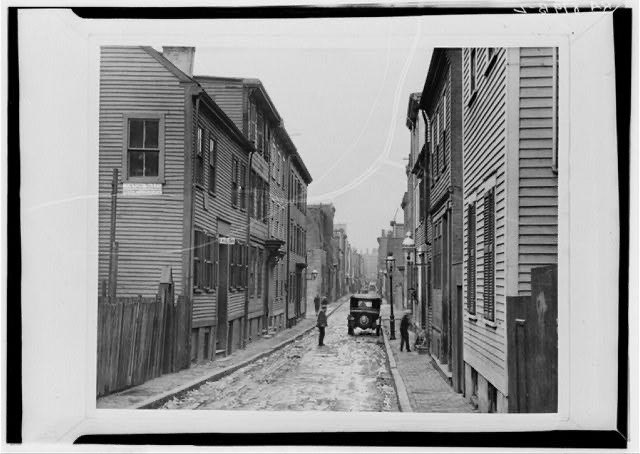
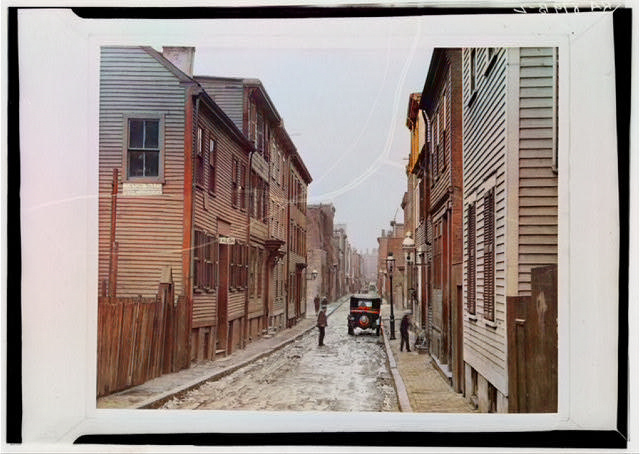
This project explores what Boston, MA, looked like during the Great Depression through AI colorizing pictures of the city streets and buildings taken in the late 1930s. Being from the Boston area, I wanted to gain a better understanding of what everyday life in the city looked like during a period like the Great Depression. By comparing original black-and-white photographs taken with their colorized versions, my goal is to present a more realistic and visually engaging representation of Boston during this period.
Sources
The primary dataset for this project came from the Library of Congress, specifically its Farm Security Administration/Office of war Information Black-and-White Negatives collection. This collection contains thousands of historical photographs documenting American life. After receiving the larger data set of images from Boston, I cleaned the data including filtering for the certain time period, removing duplicate photographs, excluding images that don’t depict the actual city/streets, organizing the photograph formats, and selecting the best 6 for the project.
Presentation
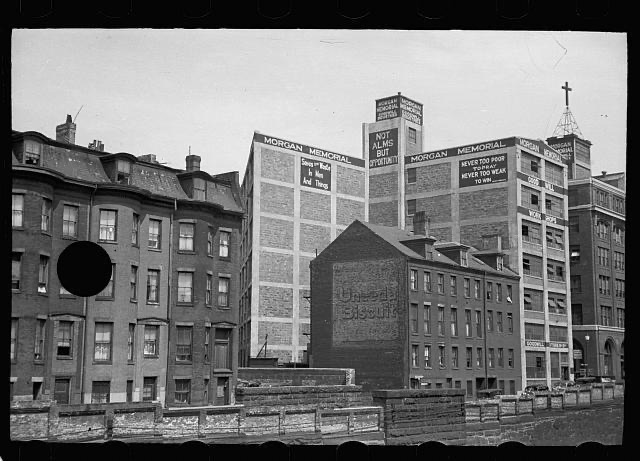
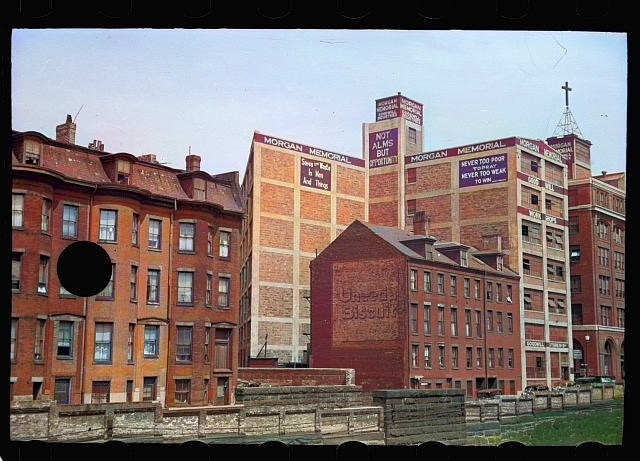
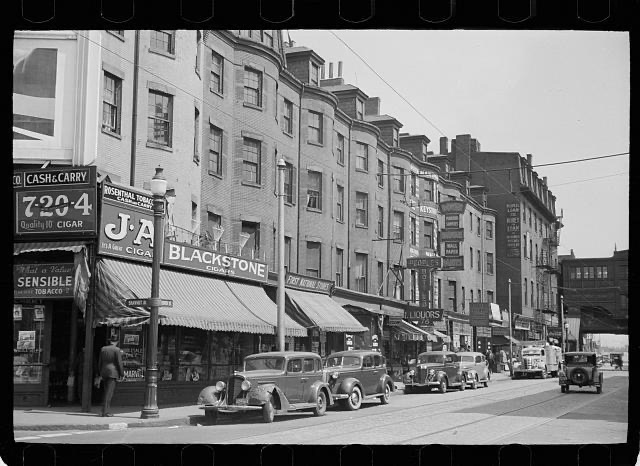
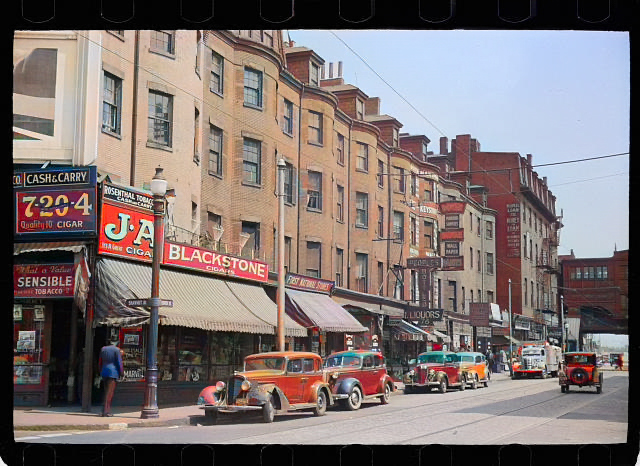
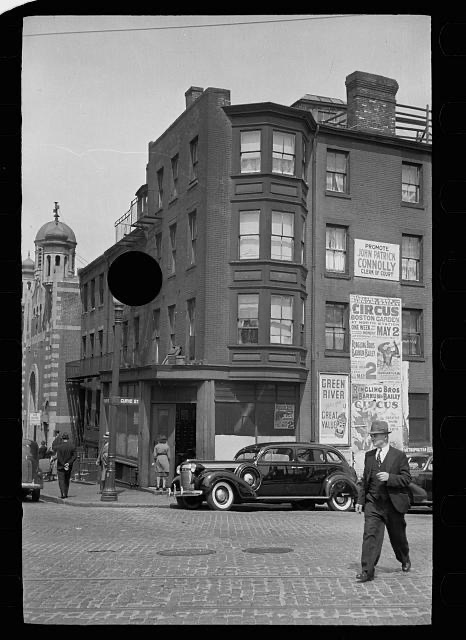
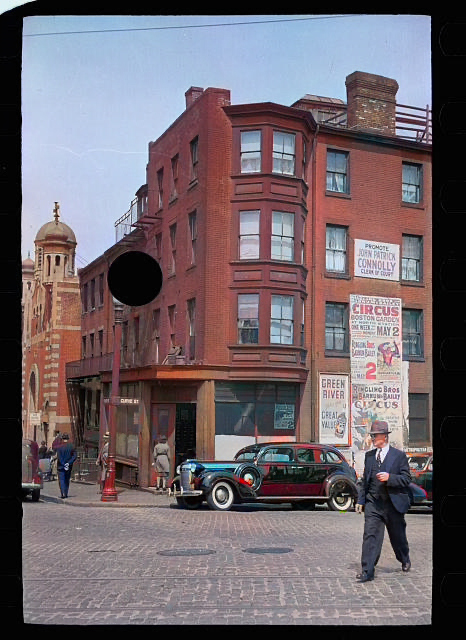
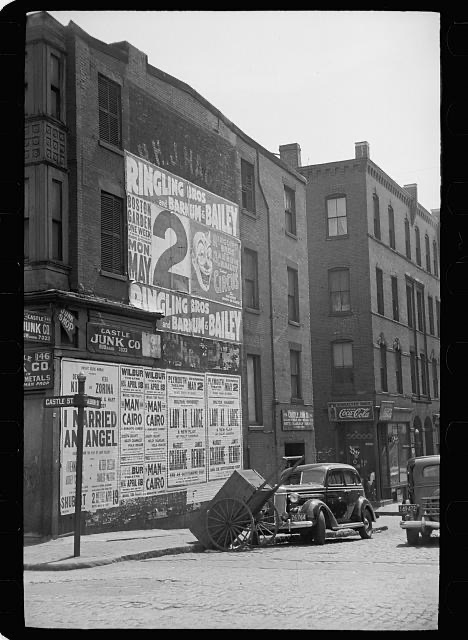
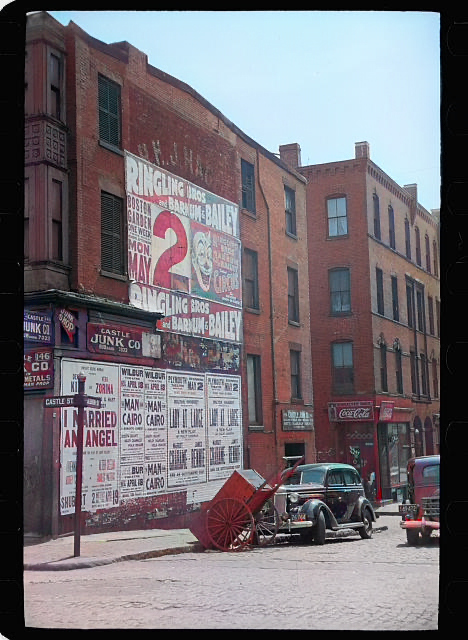
Processes
The first step I took after collecting and organizing the photographs was processing the images using IIIF and an IIIF Image Inspector. I accessed each image’s IIIF URL which provides a standardized way to access and retrieve digital images. I then entered these through the IIIF Image Inspector with IIIF Image Inspector. The next step I took was uploading each black-and-white photograph in an AI image colorizer using the website https://deepai.org/machine-learning-model/colorizer. To create this website, I accessed my Carleton CarlSites hosting account through cPanel, created a new subdomain, and then the new webpage on WordPress.
Significance
This project demonstrates how digital tools can be used to engage with historical materials, such as old pictures of Boston. This can make historical scenes feel more familiar with audiences, potentially helping viewers connect with the people, buildings, and environments depicted. This DH project combines historical archival research with digital image processing, artificial intelligence, and web-based presentation. One aspect about this project is to acknowledge the important limitations. The colors generated by AI are estimates, not recovered historical facts. Ultimately, we should be cautious treating these images as definite representations of the past, but can provide a more engaging way to visualize history and connect to the past.